
Solid Shapes
Main page
The topic/concept ‘Solid Shapes’ has one module. The module can be taught in a week or can be extended depending on the learners’ pace and level of understanding.
Week 1 – Identify 3 D shapes and match them with the surrounding objects.
The teachers are required to go through the document carefully before they start the class.
Developmental Goals as per NIPUN BHARAT
- Children Maintain Good Health and Well-being
- Children Become Effective Communicators
- Children Become Involved Learners and Connect with their Immediate Environment
Mapping Competencies under Developmental Goal 1
- Participate actively in hands-on exploration of solid shapes using safe classroom materials.
- Develop fine motor and sensory skills by holding, stacking, rolling, and arranging 3D objects.
- Show confidence and enthusiasm while engaging in shape-based play and learning activities.
- Demonstrate coordination and control while building structures using solid shapes.
Mapping Competencies under Developmental Goal 2
- Identify and name solid shapes such as cuboid, cylinder, cone, and sphere.
- Use shape-related vocabulary to describe observable properties (flat, curved, rolls, stacks).
- Describe similarities and differences between solid shapes in simple language.
- Listen to and follow instructions during activities, stories, and demonstrations involving shapes.
- Engage in discussions and share observations about shapes found in daily life.
Mapping Competencies under Developmental Goal 3
- Observe and identify solid shapes in their surroundings (e.g., ball as a sphere, box as a cuboid, can as a cylinder, ice-cream cone as a cone).
- Explore how different solid shapes behave (e.g., which shapes roll, slide, or stack).
- Relate classroom learning about shapes to real-life objects and structures.
- Create models and structures using solid shapes during play and group tasks.
- Demonstrate curiosity by searching for and recognizing 3D shapes in their environment.
Preparation for the activities
Before the session:
- The teacher has to see the given LTM Videos and practice the correct procedure that has to be introduced.
- Teachers may download the LTM/ISL videos provided, to either teach or demonstrate them to the children while conducting the given activities.
- Teachers may ensure that all children can see the video when played and follow the activity as instructed.
- The teacher can use English and/or the native language while addressing the students.
- Students can be seated on their chairs/benches or on the floor. The teacher can stand in front of the class, near the blackboard or sit along with the children in a circle or facing them if they are sitting in a semicircle.
- Teachers go through the suggestions provided for variations and ensure necessary preparations are made accordingly.
- Teachers keep the required materials ready for conducting the different activities.
- The teacher plays the role of a demonstrator, facilitator and observer.
Preparing will help you to conduct an effective activity in an inclusive classroom and achieve the goal.
Setting for an Inclusive classroom
Here are some adaptations that can be made to ensure that activities for enhancing reading and writing skills are accessible and inclusive for all students:
- Physical accessibility: Ensure that the area used for the given activity is accessible to all students, including those with mobility impairments. This may require rearranging furniture or additional seating options, such as cushions or chairs with back support.
- Communication: Consider the communication needs of all students in the classroom. Students with speech or language impairments may require Apps like AVAZ.
- Visual aids: Teachers can download ‘Flashcards’ and make them embossed as shown in DIY videos, as visual aids benefit those who need visual cues.
Adaptations and Strategies for an Inclusive Classroom
The Variability of an Inclusive Environment needs to address the processing and attention differences of the learners. An inclusive environment may have learners with Visual Impairment, Hearing Impairment, Loco-Motor Impairment and Cognitive Differences.
Learners not only learn in different ways, but they also have unique motivations, interests, personalities and strengths. To address this variability, providing the appropriate adaptation is an effective solution.
To help in this process, some suggestions for adaptations are given here. The teachers are requested to go through the adaptations given and choose the appropriate one/ ones to follow according to the needs of the differences found among the students in a particular class.
‘Attention and Focus’ Adaptations and Strategies
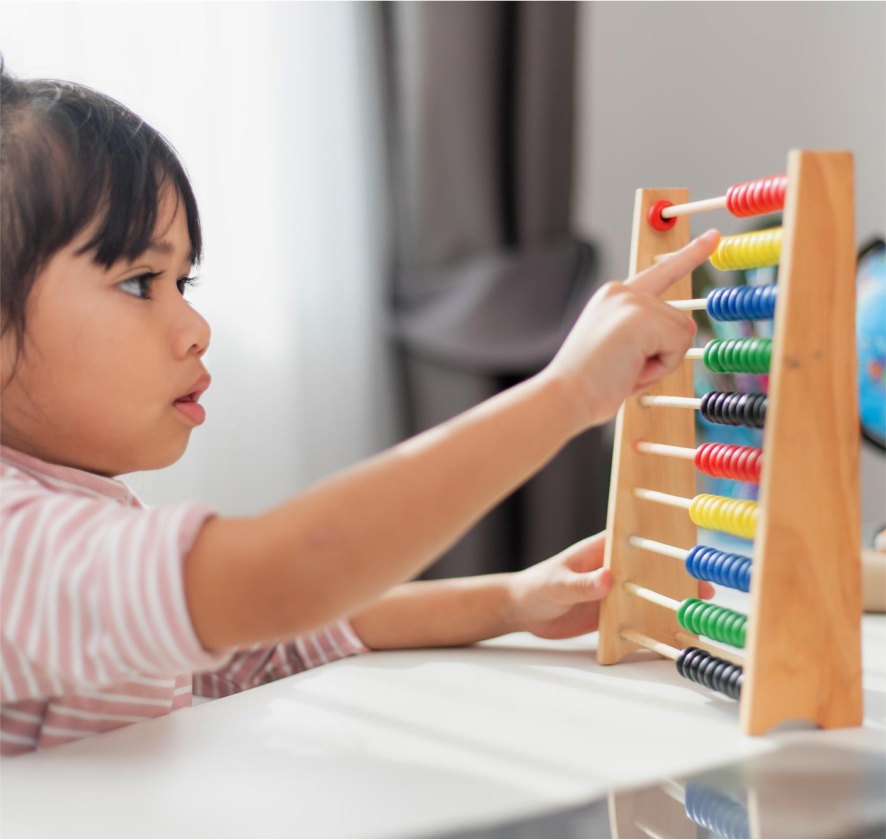
‘Fine motor skills’ Adaptations and Strategies

‘Executive function skills’ Adaptations and Strategies
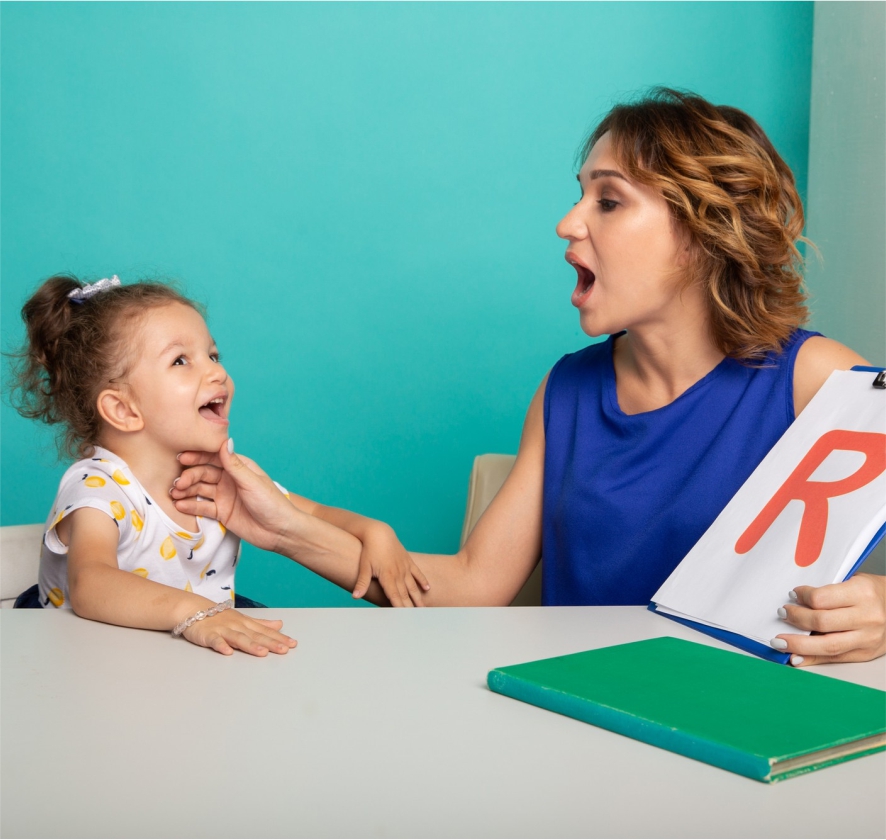
‘Receptive and expressive language skills’ Adaptations and Strategies
Social Narrative
A social narrative is a tool to help individuals with special needs, particularly those on the autism spectrum, better understand social situations and how to respond appropriately. Here is a social narrative, related to the topic.
When I need help in Classroom
Click to view and download
Teacher Resource Document
| Source and Attribution of images All images used in the above Assets and Aids are originally created. |
| This digital material has been developed by the Sri Sathya Sai Vidya Vahini Inclusive Education Project, a unit of Sri Sathya Sai Central Trust, Prasanthi Nilayam, as a collaborative offering in the service of our nation. |